Peacock form studies
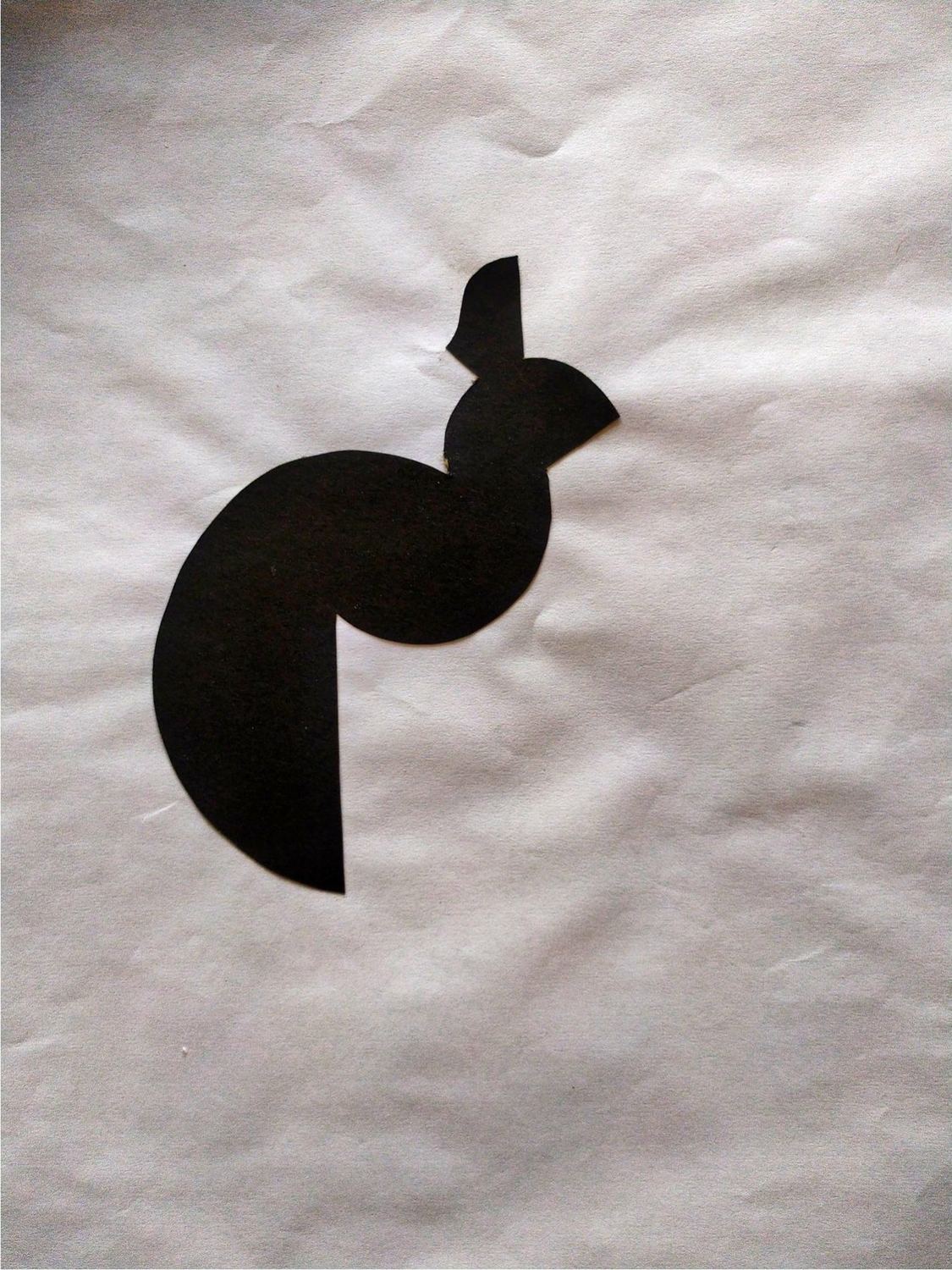
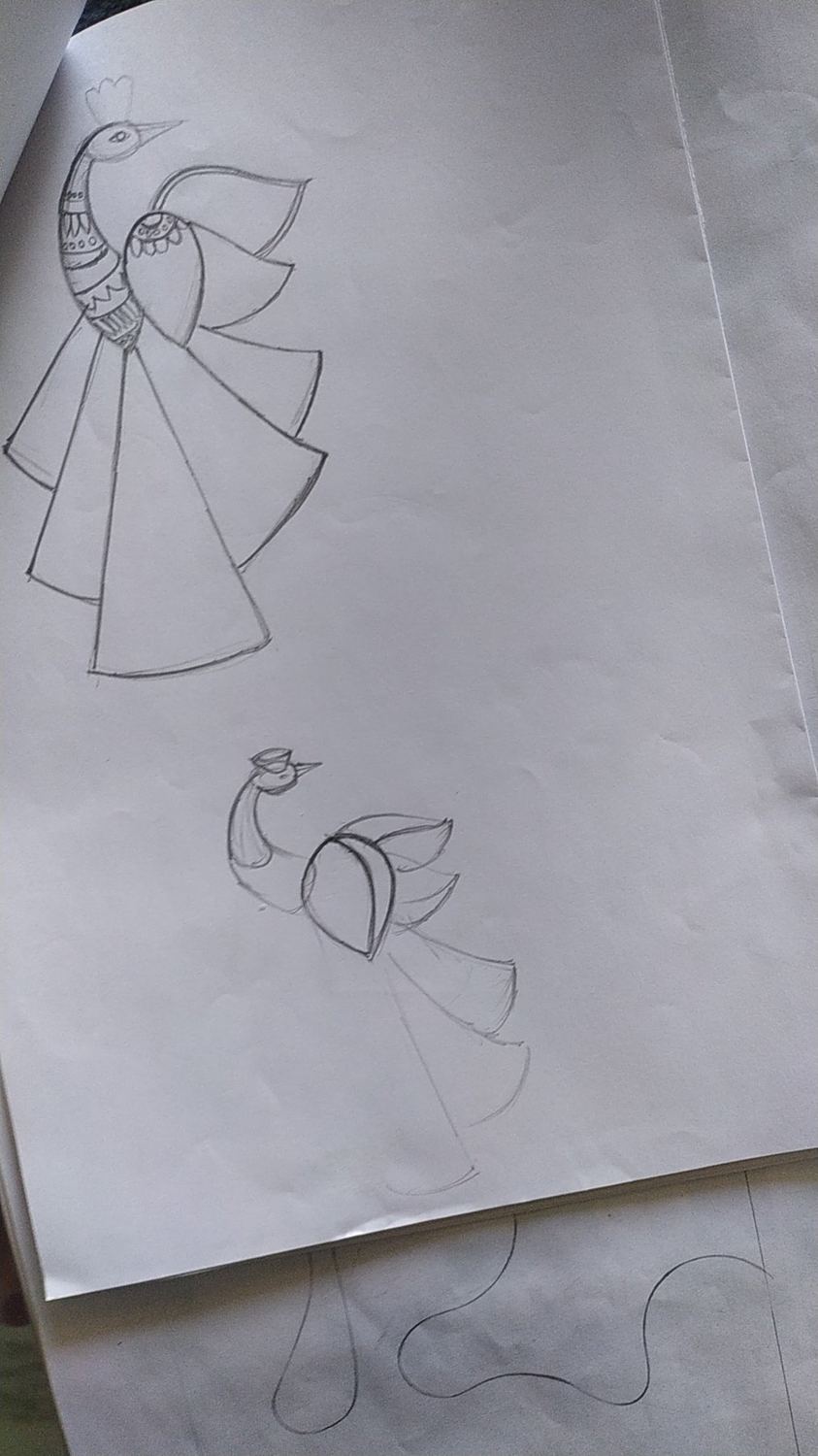
A Nature and Form exercise: draw a peacock, then take away everything that is not the peacock, over and over, until what is left is a single black mark that still reads as the bird.
// Why this exists
Abstraction taught as a sequence rather than an opinion. You start from observation — an actual bird, drawn properly, with the tail and the crest and the weight on the legs — and then reduce in stages, each one losing information, until you find the point where one more cut stops it being a peacock. That threshold is the whole lesson, and it cannot be reasoned about in advance.
// What actually happened
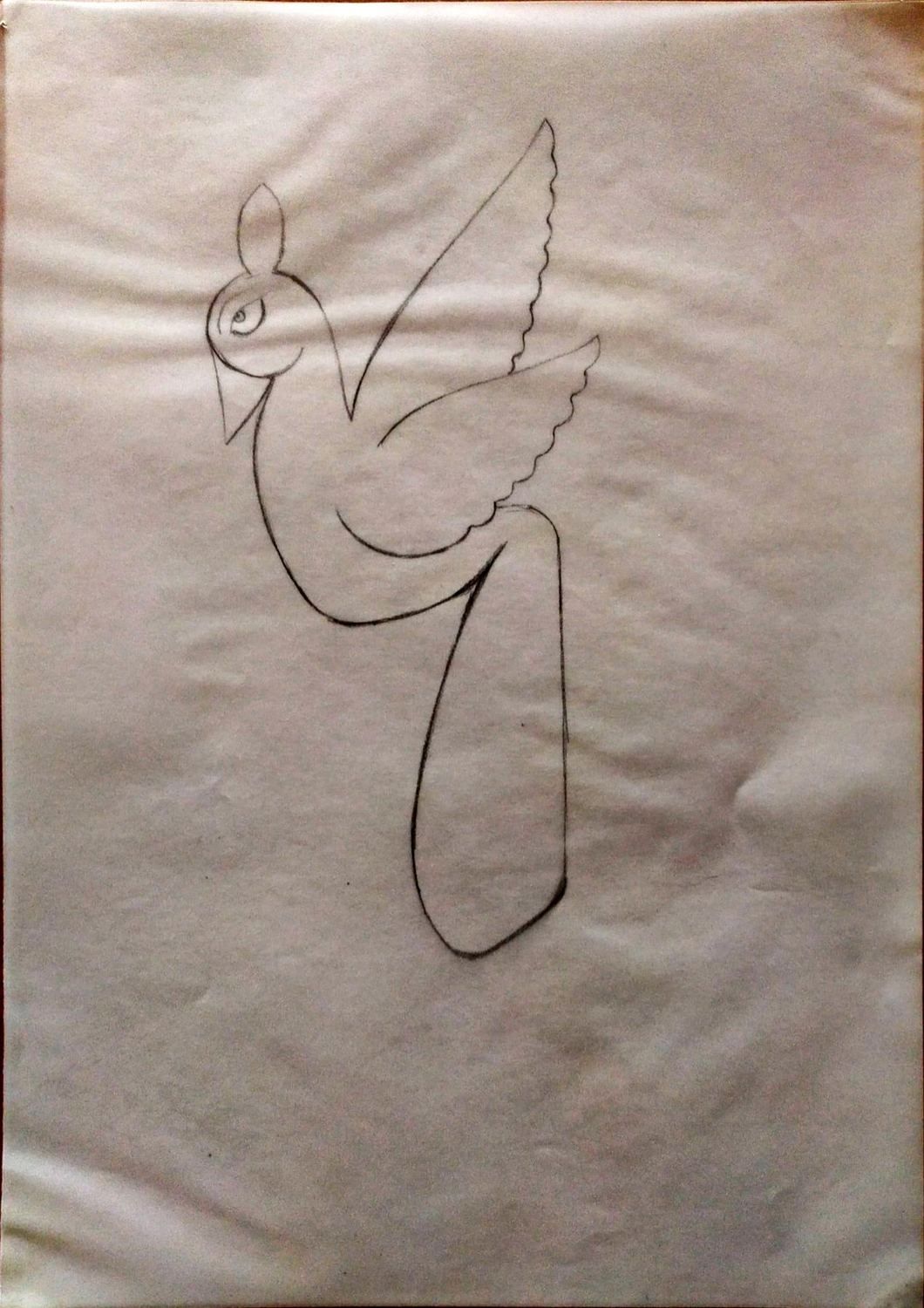
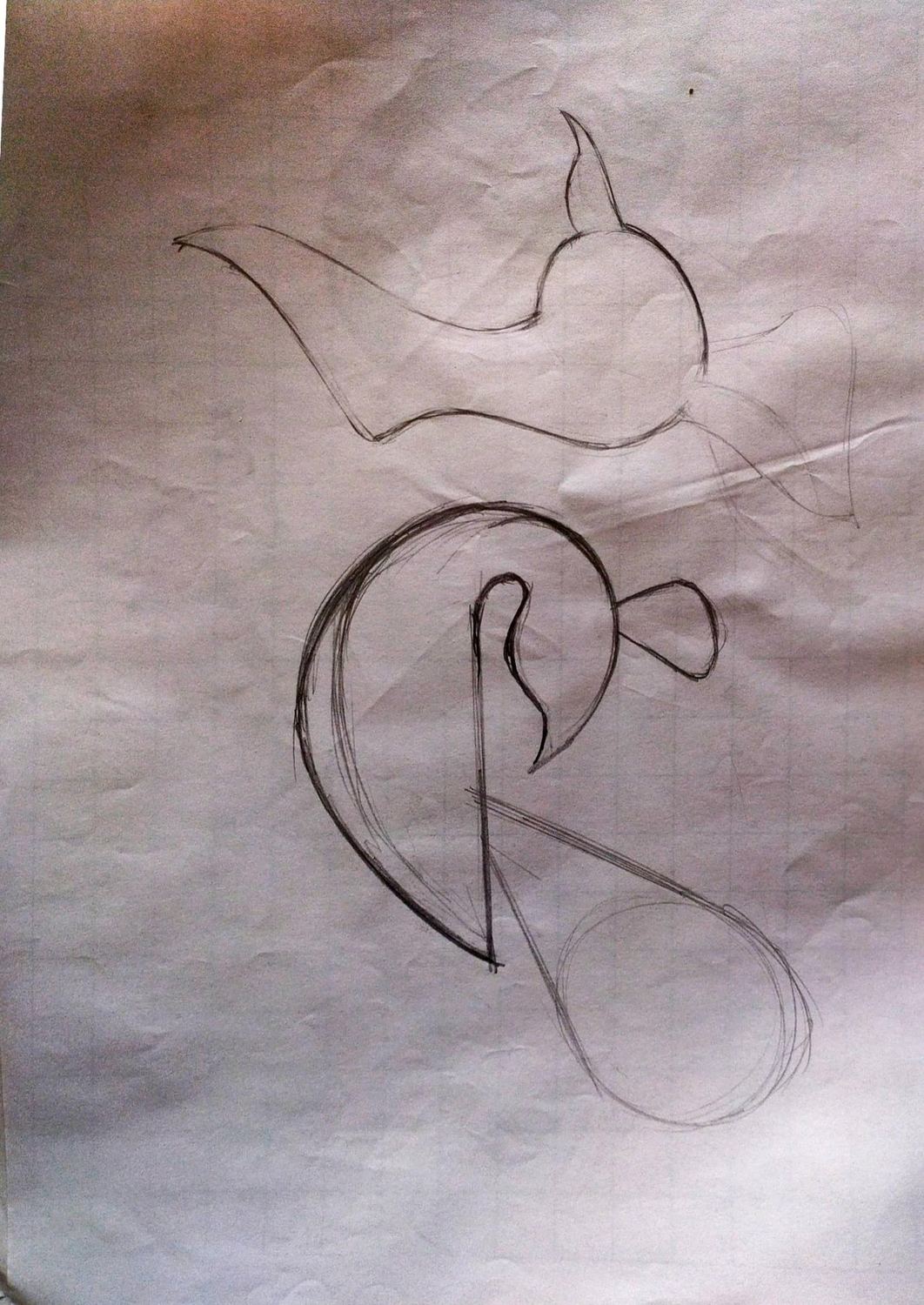
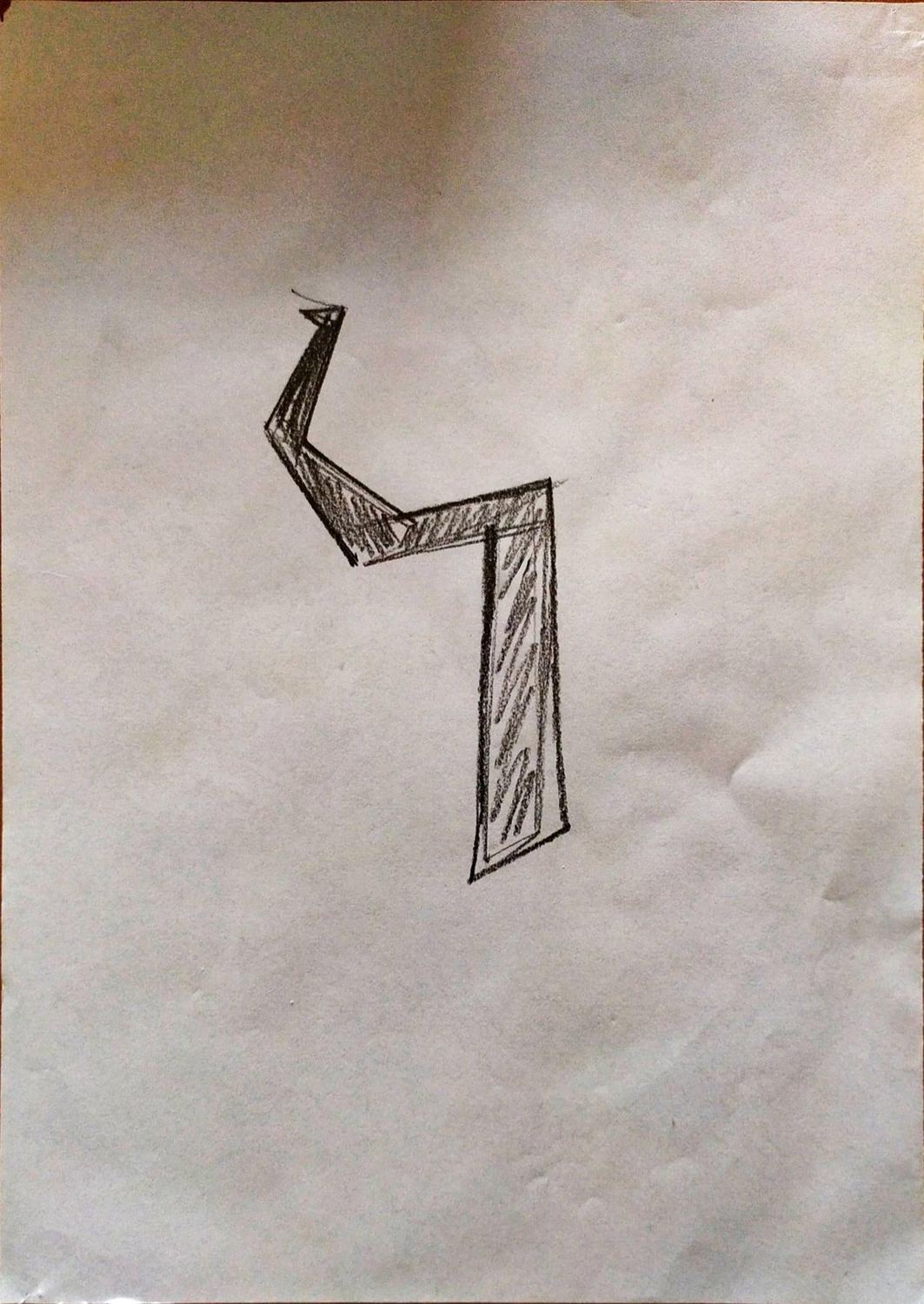
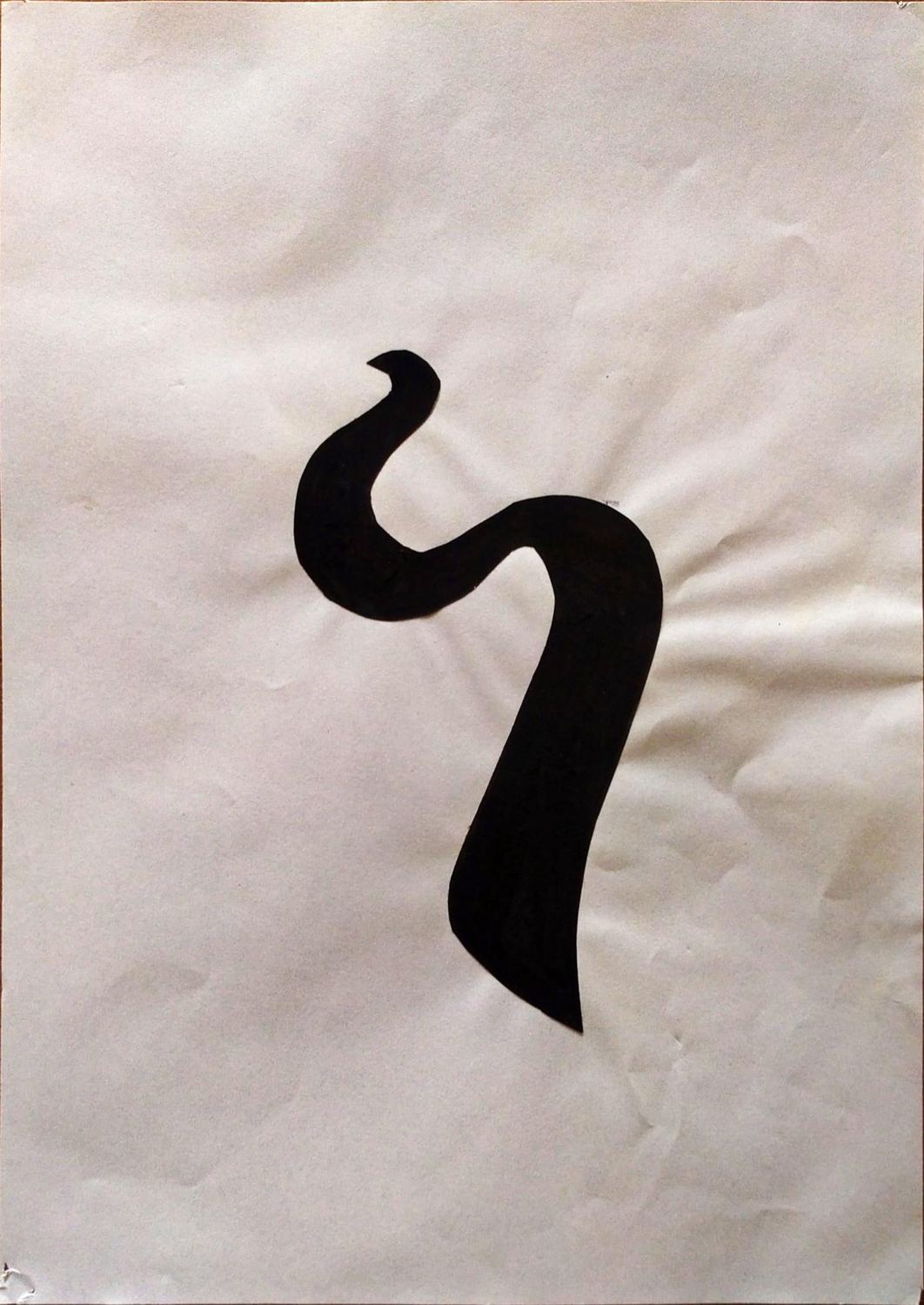
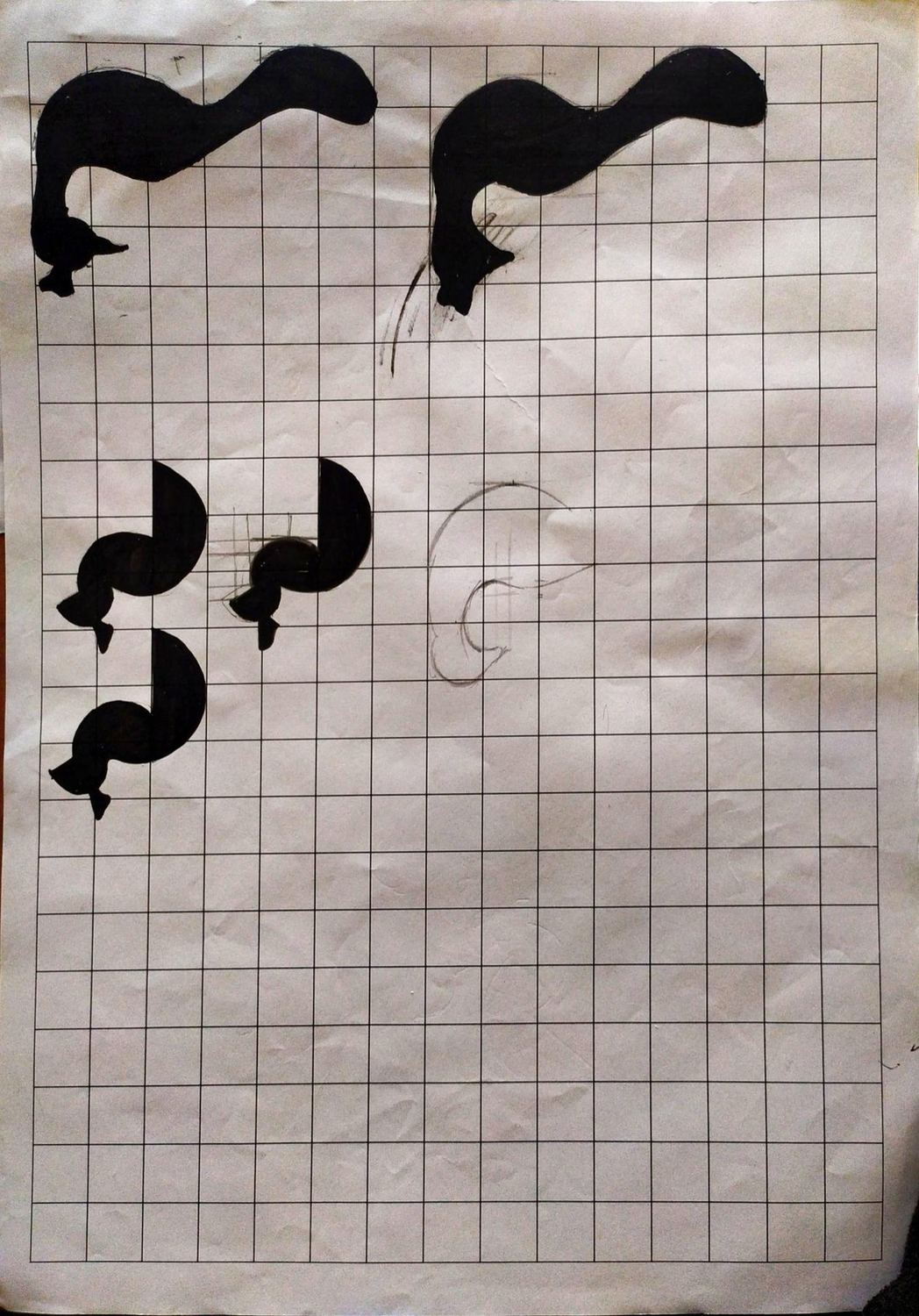
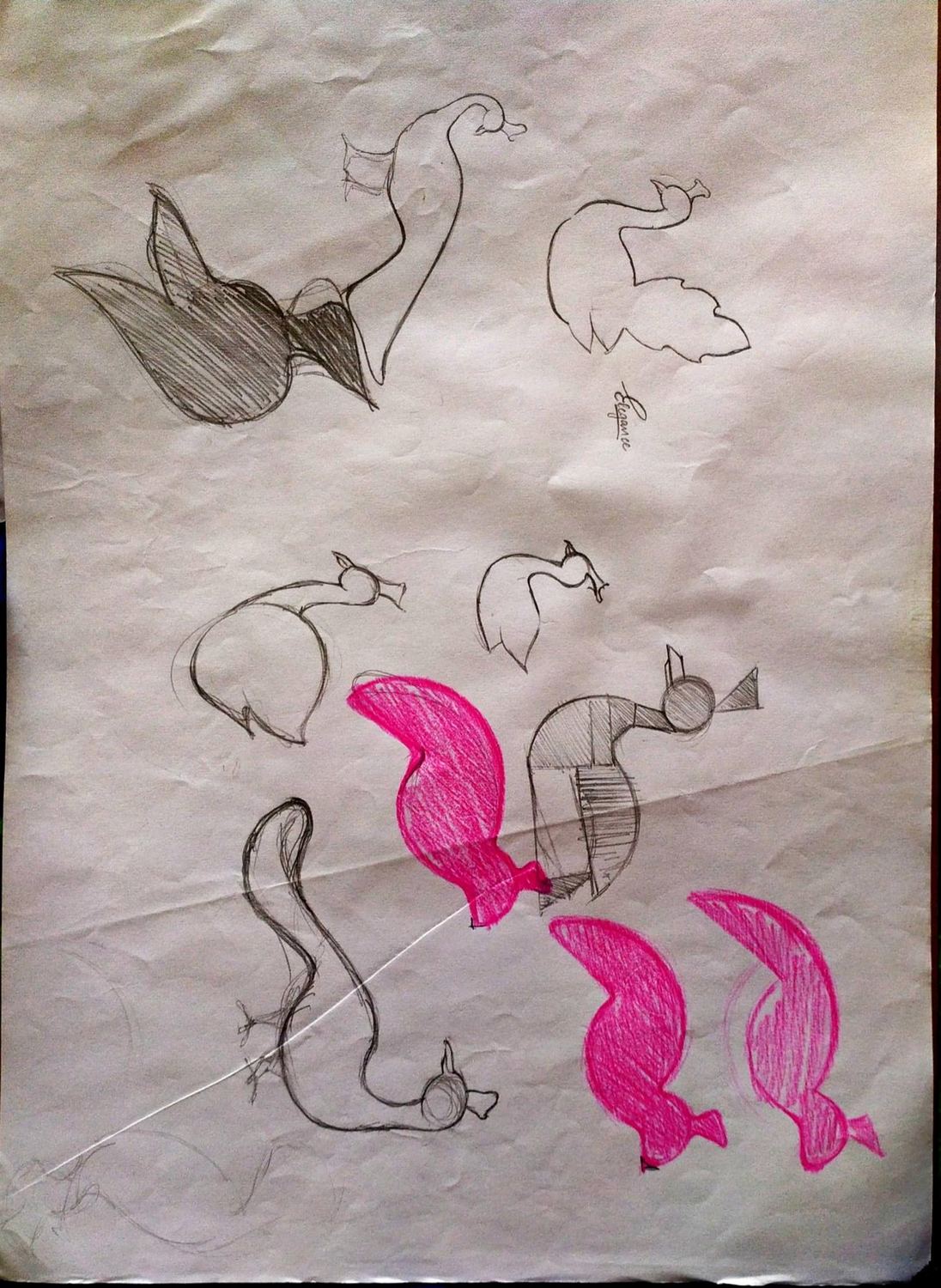
Observational drawings first. Then outline only. Then the outline straightened into angles, which is where most of the naturalism dies and the silhouette has to start carrying the identity. Then solid black, where only the profile survives. Then the same mark again at small scale across a grid, because a form that works once may be an accident and a form that works twenty times is a form. Colour studies ran alongside in pink and graphite to test whether the reading depended on the black.
// What was delivered
Nine finished study sheets and a working set of exploration photographs: the observational drawings, three stages of reduction, the solid-black marks, the repeated grid and the colour variants.
// What I did
Coursework, drawn by me.
// What came out of it
The crest and the neck curve turned out to be load-bearing and the tail did not, which is the opposite of what makes a peacock recognisable in a photograph. The displayed tail is the thing everyone pictures; in silhouette it becomes noise, and the bird survives on the S of the neck and the three dots of the crest.
// Where it stands now
A finished exercise, kept because the method transfers to any mark-making problem.
// What I'd do differently now
- I reduced too fast at first and jumped from the drawing to a black shape, which produced a mark that could have been any bird. The intermediate stages are not padding; they are where you find out which lines were doing the work.
- The whole set survives as phone photographs of paper on a desk, taken in one sitting in December 2020 rather than scanned. It is legible and it is not what this work deserved.